
Description
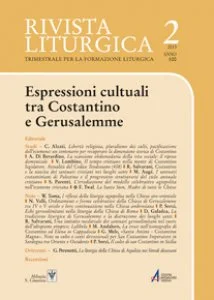
Lo studio si occupa della liturgia di Gerusalemme della fine del IV secolo, fortemente legata ai santuari costantiniani di Palestina. Si tratta di una liturgia di tipo stazionale e itinerante che dimostra il progressivo strutturarsi del ciclo annuale cristiano. Date le caratteristiche della ricerca, la fonte principale, ma non esclusiva, è l’Itinerarium Egeriae. Dopo una sommaria descrizione dell’ubicazione e delle caratteristiche dei principali luoghi di culto di Gerusalemme e dintorni in cui l’assemblea si raduna per la preghiera e la celebrazione eucaristica, sono descritte le caratteristiche della liturgia quotidiana, domenicale e annuale sia del Temporale che, in modo più breve, del Santorale. La Sacra Scrittura è sempre punto di riferimento spaziale e spirituale. La maniera in cui si svolgono le celebrazioni sembra ben radicata e pare riproporre un modo di procedere piuttosto antico. Le conclusioni valutano il significato di questo antico impianto liturgico anche alla luce della discussione sulla priorità o meno dello spazio sul tempo nel formarsi dell’anno liturgico.
This essay is about the Jerusalem’s liturgy toward the end of the IV century, that was strongly connected with the Constantinian sanctuaries of Palestine. It was a liturgy of a stational and itinerant type, that shows the progressive structuring of the Christian year cycle. Owing to the characteristics of this research, the main source, but not exclusive, is the Itinerarium Egeriae. After a short description about the location and the features of the principal holy places in Jerusalem and surroundings, the daily liturgy as well as the Sunday and annual liturgy are described in their peculiarities, in regard to the Feasts of the Lord (Temporale) and in a shorter way to the Feasts of the saints (Sanctorale). The Holy Scripture is always a point of spatial and spiritual reference. The way in which the celebrations go on seems to be well rooted and it appears to propose again a rather old way of acting. The conclusions evaluate the meaning of this old liturgical system also in the light of the discussion about the priority or not of the space over the time during the formation of the liturgical year.

Reviews
There are no reviews yet.