
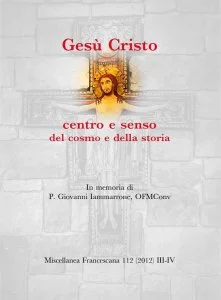
Description
Sommario – La ricerca si articola in due parti. La prima riguarda la paternità originaria della filosofi a moderna, se spetti a Cartesio o invece a Leibniz. La premessa è costituita dalla persuasione che ciò che caratterizza la modernità è, sotto il profilo negativo, l’assenza della coscienza della gratuità dell’essere, mentre sotto il profilo positivo è la coscienza del diritto-a-essere, con cui prende formala stagione rivendicativa dei diritti e la pretesa all’autonomia radicale nel pensare e nell’agire. Ebbene, di questa sensibilità teoretica il protagonista non è Cartesio,ma Leibniz, il teorico del carattere universale del principio di ragion suffi cienteper tutto ciò che è. La seconda parte è il recupero della coscienza di essere almondo senza alcun diritto, in compagnia della scuola francescana, rivisitando ilruolo del “nulla assoluto” da cui siamo tratti, alla cui luce non abbiamo alcunchéda rivendicare. Nel prendere atto del gesto creativo non possiamo non ringraziarecolui che senza alcun nostro merito ci ha chiamati all’essere, sostanziando il nostropensare e il nostro agire di quella stessa gratuità originaria.
Summary – This study is divided into two parts. The fi rst concerns whether onelooks to Descartes or Leibniz as the father of modern philosophy. The argumentationis based on the conviction that what characterizes modernity is, from a negativepoint of view, the absence of the consciousness of the gratuitousness of being,and from a positive viewpoint, the consciousness of the right-to-exist that setsthe stage for the era that demands rights and the pretense of radical autonomy inthinking and acting. Theorizing along these lines, the protagonist is not Descartesbut Leibniz with his theory of the universality of reason as the suffi cient principlefor all that exists. The second part of the study is the recovery of the consciousnessof being in the world without any rights, in the line of Franciscan thinkers, andconsiders anew the role of the “absolute void” from which we are drawn and towhose origins we have no claim. In consideration of the act of creation, we cannotbe anything but grateful to the one who, through no merit of our own, has calledus into being and sustains, by the very same original graciousness, our thinkingand acting.

Reviews
There are no reviews yet.